Top 2 Best Ad Networks for Publishers in 2025

Whenever we talk about monetizing websites, the first name that pops up in mind is Google AdSense. While there’s nothing wrong with that—it is, after all, the world’s best ad network— it is unwise to assume that AdSense can’t be outdone by any other ad network.
The ad tech industry is ever-evolving. Therefore, it wouldn’t be a stretch to say that Google has competitors who can give them a good run for their money.
It may take some hit-and-trials to figure out which ad network, or a combination of ad networks, generates the highest revenue. However, after figuring it out, publishers can efficiently work on monetizing their websites.
What is Ad Network?
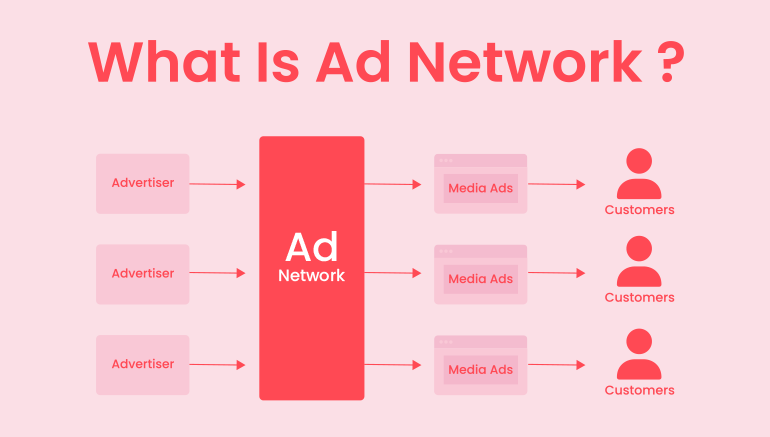
Ad networks acquire available inventories from a publisher and sell them to advertisers as packaged impressions.
In a simple inventory selling process, think of an ad network as a mediator responsible for introducing the right impression to the right buyer. It partners up with publishers (supply-side) and advertisers (demand-side) to help them reach their ad campaign goals.
Now, as the inventory exchange cycle gets complicated, the role of ad networks starts varying. For publishers, ad networks sometimes directly sell inventory and, at other times, buy inventory from SSPs or ad exchanges and sell it for a greater profit.
Most publishers are known to specialize in one particular type of ad format. Hence, publishers looking to monetize via one particular format should consider ad networks.
For instance, there are CPM ad networks like Criteo, known to offer the best CPM rate, and then there are video ad networks like Unruly, serving publishers with the best video content.
Why are Ad Networks Important?
Ad networks function as a commercial intermediary between publishers and advertisers. Within the advertising ecosystem, they act as essential monetisation elements. Without ad networks, publishers would have to negotiate deals with each individual advertiser.
Additionally, ad networks are known to efficiently work to sell remnant ad inventory. Basically, ad networks take remnant inventory from multiple publishers, segregate them on the basis of demographics, and sell the segmented impressions to advertisers specifically looking for similar impressions.
Doing this makes sure that the publishers’ inventory makes it to the right advertiser in time. It is clear by now that ad networks are essential for publishers.
What are Different Types of Ad Networks?
Choosing the right type of ad network depends on your specific needs and goals. Consider your target audience, budget, and desired results when making your decision.
There are various types of ad networks used in to generate results. While they act in congruence to each other, they can also work independently of themselves. Here are the common ad networks that fit the criteria.
1. Horizontal Ad Network
Horizontal ad networks provide advertisers with access to a diverse array of websites and apps spanning various industries, offering broad reach to a large audience. However, they may not be as effective for targeting specific audience segments.
Examples include:
- Google AdSense
- Media.net
- PropellerAds
2. Premium Ad Networks
They prioritize high-quality websites and apps with sizable, engaged audiences, granting advertisers access to premium inventory albeit at a higher cost. While they excel in reaching specific target audiences, they may come with a higher price tag compared to other options.
Examples include:
- The Rubicon Project
- Index Exchange
Comments
Post a Comment